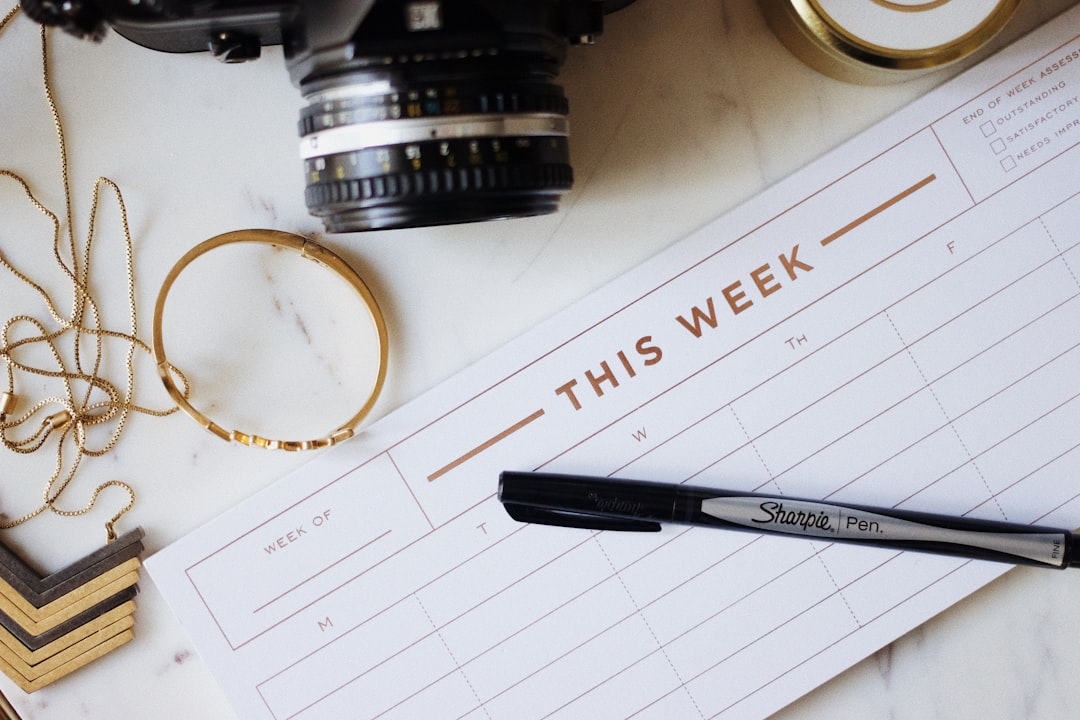
Instagram changes fast, but the patterns behind what spreads are more stable than they look. This recurring guide is built to help creators, editors, and social teams track Instagram trends this week without chasing every passing post. Instead of guessing what is internet trending now, you will get a practical framework for reading viral Reels trends, spotting useful trending Instagram audio, understanding Instagram meme trends, and deciding which formats are worth adapting for your own audience. The goal is simple: make this page a reliable checkpoint you can return to on a regular schedule when you need fresh examples, sharper judgment, and a better sense of what belongs in your content calendar.
Overview
“Instagram trends this week” sounds like a moving target, and in one sense it is. Audio clips rise, fade, and get recycled. Meme formats jump from TikTok to Reels, then show up in carousels, Stories, and screenshot posts. A celebrity social media moment can dominate feeds for a day, while a creator-led editing style can influence hundreds of smaller accounts for weeks.
That is why a useful weekly roundup should do more than list what is popular. It should explain why a format is getting traction, what signals show that a trend still has room to run, and how a creator can adapt it without posting a copy of everyone else’s Reel.
When tracking Instagram trends, it helps to sort what you see into four practical buckets:
- Reels formats: repeatable structures like “before and after,” “day in the life,” “three mistakes,” split-screen reaction edits, punchline reveals, and comment-response videos.
- Audio trends: sounds or music clips that become recognizable shortcuts for a feeling, joke, transition, or narrative beat.
- Meme trends: text-over-image jokes, relatable carousels, ironic captions, niche references, and post templates people remix in their own voice.
- Behavior trends: less visible shifts in how people use the app, such as shorter hooks, stronger subtitles, creator-face intros, save-worthy list posts, or conversational comment sections.
For publishers and independent creators, this distinction matters. A sound may be trending, but the real opportunity may be the storytelling format around it. A meme may look overused, but the reaction pattern in the comments could still reveal strong audience interest. Viral media on Instagram often spreads because it gives viewers a familiar frame with a fresh angle.
A dependable weekly trend post should answer five questions:
- What formats are clearly circulating on Instagram right now?
- Which of them are native to Instagram, and which are imported from other platforms?
- What audience need are they serving: humor, identity, aspiration, explanation, outrage, or utility?
- How crowded is the trend?
- Can the format be adapted in a way that still feels original?
That approach keeps a trend roundup useful even when specific examples age out. It also makes the article more evergreen: readers return not just for the list, but for the method.
If you cover platform culture more broadly, this article pairs naturally with TikTok Trend Explained: New Sounds, Challenges, and Memes to Know and Why Is This Trending? A Live Explainer Hub for Internet Moments, especially when a format begins on one platform and later appears in Reels.
Maintenance cycle
The most useful version of this article is not a one-time post. It is a maintained roundup with a clear refresh rhythm. For a topic like Instagram trends, a weekly review cycle works well because it is frequent enough to catch new viral stories and format shifts, but not so fast that the article becomes a cluttered stream of disconnected observations.
Here is a simple maintenance cycle you can use each week.
1. Scan for repeat appearances, not single spikes
A format becomes more interesting when you see it across multiple account sizes and niches. If the same style appears in beauty, food, sports, creator news, and pop culture commentary, it is no longer just one account’s successful post. It is becoming a reusable language.
Examples of repeat-appearance signals include:
- The same hook structure showing up across unrelated creators
- Audio attached to different storytelling angles
- Similar caption formulas repeated across meme pages and personal brands
- Audience comments referencing the same joke, phrase, or post pattern
2. Separate “popular” from “actionable”
Not every viral clip recap deserves inclusion in a creator-facing roundup. Some celebrity viral moments are highly visible but impossible to adapt. Others contain a usable format hidden beneath the headline.
For instance, a celebrity post may be trending because of who shared it, but the structure might still teach something: a deadpan reaction cut, a hard pivot from polished visuals to self-aware humor, or a screenshot carousel that turns private-feeling messages into public entertainment. The article should focus on what readers can learn or apply.
3. Update examples, keep the framework stable
The core categories of Reels, audio, memes, and format mechanics can remain consistent from week to week. What changes are the examples inside each category. That makes the page easier to maintain and easier for readers to navigate.
A clean recurring structure might look like this:
- This week’s Reels formats: what viewers are seeing repeatedly
- This week’s audio patterns: not just songs, but how creators are using them
- This week’s meme energy: tone, references, and visual conventions
- This week’s creator takeaway: what is worth testing next
4. Add context when search intent shifts
Sometimes people searching for Instagram trends want inspiration. Other times they want explanation: why is this trending, who started it, or whether it is already over. When that happens, the article should evolve from a roundup into a mini-explainer. Brief context boxes help, especially when a trend overlaps with influencer news, pop culture news, or a viral video explained format.
5. Retire dead trends instead of endlessly stacking them
A maintained article becomes harder to use when every old item stays in place. Archive formats that clearly peaked and replace them with fresher ones. If you keep older references, label them as previous-week examples or as a format pattern that may return in cycles.
This is also where editorial discipline matters. Readers come back to recurring trend coverage because they want curation, not accumulation.
Signals that require updates
A weekly schedule is useful, but some shifts deserve an earlier refresh. If you want this page to stay valuable, watch for signals that the existing article no longer matches what people are seeing on Instagram.
A new audio escapes its original niche
One of the clearest update triggers is when a sound moves from a narrow community into mainstream creator use. A niche comedy audio might first appear in fandom edits, then spread to lifestyle creators, then get adapted by brands. Once that happens, search interest around trending Instagram audio usually becomes more practical. Readers want to know how it is being used, not just where it came from.
A meme format shifts from joke to template
Many Instagram meme trends begin as isolated humor posts. They become trend-worthy when people start treating them as fill-in-the-blank structures. That is the moment when creators need context. A good update explains the mechanics: what part stays constant, what part changes, and what tone makes the format work.
Instagram-native behavior starts outperforming recycled content
Sometimes a format imported from TikTok stops feeling fresh on Reels, and creators start tweaking it for Instagram audiences. Maybe captions get denser, visual pacing slows down, or the post becomes more saveable than laugh-out-loud funny. That kind of platform-specific shift deserves coverage because it affects how creators package content.
Comment behavior changes
Comment sections are trend indicators, not just engagement metrics. If viewers begin reacting in a new way, that often signals a wider shift in how content is being interpreted. For example, a format may move from ironic enjoyment to active fatigue. If audiences start saying a trend feels “late,” “copied,” or “too brand-coded,” the article should be updated to reflect that.
A trend becomes newsworthy
Some Instagram trends stay inside creator circles. Others break into broader trending news because of a celebrity social media drama, a creator controversy, or an internet reacts moment that spills onto multiple platforms. When that happens, your roundup should add a short “what happened explained” layer so readers understand the broader context.
For this kind of crossover coverage, it helps to link to companion explainers such as Viral Video Explained: The Biggest Clips Everyone Is Watching Right Now and The 10-Point Trend Vetting Checklist Every Creator Needs. That protects the roundup from becoming either too shallow or too reactive.
Search intent becomes more skeptical
There are weeks when readers are not looking for inspiration at all. They are trying to figure out whether a trend is real, safe, original, or already saturated. That is especially true when meme explained queries rise, when repost accounts start muddying attribution, or when controversial clips spread faster than the context behind them.
In those cases, the article should include simple editorial guardrails:
- Note when a trend is still evolving
- Avoid claiming a single origin unless it is clear
- Distinguish between broad format trends and one-off viral stories
- Flag when a trend may carry misinformation or miscaption risk
If your coverage touches sensitive or disputed material, related resources like Toolbox: 12 Free and Paid Fact-Checking Tools Every Creator Should Master and How to Correct Misinformation Without Alienating Your Fans add depth without derailing the article’s main focus.
Common issues
Most weekly trend roundups fail for predictable reasons. They either become too vague to be useful or too obsessed with novelty to age well. If you want an Instagram trends post that readers revisit, these are the common issues to avoid.
Confusing virality with relevance
A post can be huge and still not belong in a practical trend roundup. Relevance matters more than raw visibility. Ask whether readers can learn a format, tone, editing move, or audience insight from the example. If not, it may belong in general viral news, not in a guide to Instagram trends.
Treating audio as the whole trend
Creators often ask for trending Instagram audio when what they really need is a content idea. Audio can help distribution, but the stronger variable is usually the concept attached to it. A weak copy of a popular sound rarely performs well on its own. Explain the use case, not just the clip.
Ignoring format fatigue
Not every still-popular trend is worth recommending. Some formats are visibly overused even while they continue to circulate. If viewers already anticipate the same punchline, reveal, or edit timing, creators may get better results by borrowing the structure and changing the tone. A good roundup helps readers spot this difference.
Missing Instagram-native signals
Reels may inherit ideas from TikTok, YouTube Shorts, or X trending topic conversations, but Instagram still has its own cues. Saveability, carousel depth, caption voice, comment friendliness, and aesthetic polish all influence whether a format feels at home on the platform. Trend coverage should reflect that.
Overlooking attribution and accuracy
Trend reporting can get messy when the first version viewers see is not the original one. Repost ecosystems often flatten context, and meme accounts can make a format look ownerless even when a clear creator voice shaped it. You do not need perfect certainty to write responsibly, but you do need care.
Useful habits include:
- Describing origin carefully when attribution is unclear
- Linking examples as illustrations rather than definitive first instances
- Avoiding exaggerated claims about who “invented” a trend
- Separating commentary from verification
For teams that publish quickly, resources like Open Data for Creators: Using Public Records to Build Credible, Viral Stories and Real-Time Fact-Checking for Live Streams: Tools and Playbooks to Avoid On-Air Mistakes can support stronger editorial decisions.
Writing for search only
Yes, terms like Instagram trends, viral Reels trends, and Instagram meme trends matter. But the article cannot just be a keyword bucket. Readers come back to recurring coverage when it feels observed, sorted, and edited. Specificity wins: explain the hook, pacing, emotional tone, and practical use case of a trend. That is what makes a roundup worth revisiting.
When to revisit
If this article is going to function as a true weekly checkpoint, revisit it with a repeatable routine. The most practical approach is to treat updates as editorial maintenance rather than emergency rewriting.
Use this action plan:
- Review on a fixed weekly day. Pick one day to scan Reels, carousels, creator accounts, meme pages, and comments. Consistency matters more than perfect timing.
- Replace at least one stale example each cycle. Even a small refresh signals that the roundup is alive and current.
- Add one sentence of context for each trend. Explain what the format does for viewers: makes them laugh, teaches quickly, signals identity, or invites debate.
- Track whether the trend is growing, peaking, or tiring. Readers need judgment, not just sightings.
- Update immediately when search intent changes. If users begin asking “what happened explained” rather than “what should I post,” shift the framing to include context and caution.
- Audit links and examples monthly. Remove broken references, archived posts, or examples that no longer illustrate the point clearly.
For creators, the simplest way to use this roundup is to return with three questions:
- Which format matches my audience rather than my envy?
- Can I adapt this trend in my own voice within 24 hours?
- What is the smallest test I can post before I build a full campaign around it?
That final point is worth emphasizing. The smartest response to social media trends is rarely full imitation. It is controlled experimentation. Test a hook in Stories. Try a lighter version of the meme in a carousel. Use a trending audio once, then compare watch time, shares, saves, and comments against your baseline content.
If the trend fits, scale it. If it does not, let it pass. Good Instagram trend coverage should make that choice easier.
And that is the real purpose of a maintained article like this one. It is not to promise a shortcut to viral media. It is to give readers a stable lens for interpreting fast-moving culture: what is spreading, why it is resonating, how to approach it responsibly, and when to come back for the next shift. In a space crowded with noise, that kind of recurring clarity is the thing most worth revisiting.
For publishers and creator teams, a final useful habit is to connect weekly trend tracking to trust. If you adapt a meme, quote a viral story, or react to an internet trending now moment, accuracy protects long-term credibility. Supporting reads like From Fake News to Fact-Verified Sponsorships: How Accuracy Can Win You Better Brand Deals and Trust Badges That Convert: Designs That Actually Boost Clicks and Sponsorship Value are worth bookmarking alongside your trend workflow.
Return to this page on a scheduled review cycle, update when search intent shifts, and use it as a practical trend recap rather than a permanent list of whatever was briefly loud. That mindset keeps the article—and your content strategy—useful long after any single Reel or meme fades.